During the scorching summer months in the Midwest, taking the right precautions when using an industrial air compressor is crucial. Failing to address the necessary maintenance needs can lead to decreased efficiency, costly repairs, and potential downtime. With the summer weather in mind, we share three essential tips to help your compressed air system beat the heat and encourage optimal performance. By implementing these measures, you can avoid unnecessary disruptions and keep your operations running smoothly.
In this article
Optimal Performance of Your Compressed Air System in the Heat
Let's explore the three key tips to keep your compressed air system running this summer:
Tip 1: Sufficient Cooling and Ventilation
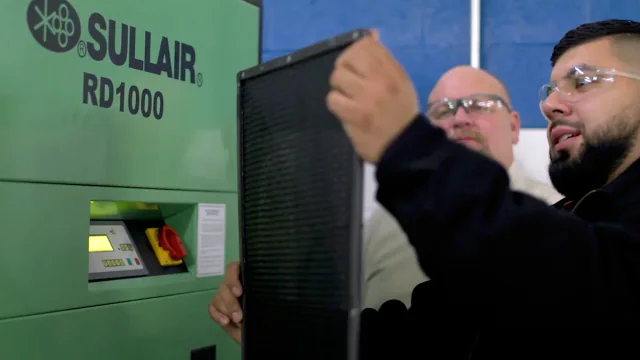
Proper cooling and ventilation are paramount when operating an air compressor in hot weather. Use the compressor in a well-ventilated area with ample airflow. Position it away from walls or obstructions that could impede air circulation. If necessary, employ additional fans or ventilation systems to enhance cooling efficiency. Clean or replace air filters to prevent the accumulation of debris, which can slow the cooling process and compromise system performance.
Tip 2: Monitor and Maintain Proper Oil Levels
Heat can accelerate the breakdown of lubricating oil in an air compressor, leading to insufficient lubrication and increased friction among internal components. To combat this, monitor the oil level regularly and keep it within the manufacturer's recommended range. Opting for high-quality synthetic oils designed for high-temperature applications is also advisable, as they offer improved stability and performance. Adequate lubrication will enhance efficiency, minimize wear and tear, and extend the lifespan of your compressed air system.
Tip 3: Schedule Regular Maintenance
Extreme temperatures can amplify the wear and tear on your compressed air system. By getting regular maintenance, you can address potential issues before they escalate. Conduct thorough inspections to identify any signs of damage, leaks, or worn-out parts. Pay close attention to belts, hoses, and connections for any degradation or cracks. Additionally, check to see if the cooling system is functioning optimally. Following the manufacturer's guidelines for maintenance tasks such as filter replacements, oil changes, and overall system inspections will significantly contribute to the longevity and reliability of your compressed air system.
Precautions Pay Off
Implementing these three tips can prevent the negative consequences of neglecting your compressed air system in hot weather. Taking the necessary precautions will help you:
- Maintain consistent productivity by avoiding unexpected system failures and downtime.
- Minimize repair costs and extend the life of your air compressor.
- Optimize energy efficiency and reduce operating costs.
- Preserve product quality by maintaining consistent air pressure and reducing contaminants.
The impact of hot weather on machinery may be much higher than you realize. High temperatures can have a detrimental effect on industrial machinery, and air compressors are no exception. Excessive heat can strain the compressor, causing it to overheat and potentially leading to severe damage. It is vital to implement preventive measures in hot weather conditions to mitigate these risks.
What to Do If You Notice Signs of Overheating
Signs of overheating include elevated operating temperatures, excessive noise, tripping of safety mechanisms/shutdown of the compressor, and reduced performance. If you notice any of these signs of overheating, be sure to:
Shut Down the Compressor:
If you suspect your compressor is overheating, the first step is to turn it off immediately.Allow for Cooling Time:
Give it sufficient time to cool down after shutting down. Disconnect from the power supply to avoid accidents during cooling. Open windows or use fans to enhance airflow around the compressor to expedite cooling.Inspect for Obstructions:
Check the compressor for obstructions restricting airflow, such as debris, dust, or blocked vents, and clear any obstacles.Check the Oil Level:
While the compressor is cooling down, take the opportunity to inspect the oil level. Add or replace oil if necessary.Inspect Cooling Systems:
Examine all fans, radiators, or heat exchangers. Clean or replace any clogged filters and make sure the cooling components function correctly.Contact a Professional:
If you've followed the above steps and still have concerns about your compressor's overheating issue, it's best to work with a technician to diagnose the problem and identify any underlying issues.
Why Summer Heat Is Your Compressed Air System's Biggest Enemy
In Wisconsin, Illinois, Minnesota, Indiana, and Missouri, summer ambient temperatures regularly push Midwest compressor rooms to 95 to 120°F. This matters because rotary screw air compressors produce significant heat during operation - heat that must be effectively removed for the system to run safely and efficiently. When ambient temperatures spike, the entire thermal management equation shifts.
Here's what happens when your compressed air system overheats:
High discharge temperature shutdowns
- Most rotary screw compressors have a high-temperature protection that shuts the unit down around 230 to 250°F. On hot summer days with poor ventilation, this limit can be approached even in normal operationOil degradation acceleration
- Compressor oil breaks down faster at elevated temperatures, leading to increased deposits, fouled oil coolers, and potential airend damageReduced dryer efficiency
- Refrigerated dryers lose capacity significantly as ambient temperatures rise, potentially allowing moisture into your system precisely when you need it leastIncreased energy consumption
- Compressors work harder to compress hot, less-dense air, increasing energy costs without producing additional output
Proactive Summer Preparation for Your Compressor Room
The best time to prepare your compressed air system for summer heat is before summer arrives. Brabazon recommends scheduling your spring maintenance visit in April or May to clean oil coolers and aftercoolers, verify cooling fan operation, check oil levels and condition, and confirm that all ventilation paths in the compressor room are clear. Our AirCare Plus™ maintenance program includes seasonal checks specifically designed to prevent summer-related shutdowns across all of our Midwest service locations.
Beat the Heat with Brabazon and Our Compressed Air System Options
Compressed Air Summer Maintenance FAQ
How much ventilation does a compressor room need?
A rough rule of thumb is 1 CFM of ventilation airflow per 3,500 BTU/hr of heat generated by the compressor. A 100 HP compressor generates roughly 255,000 BTU/hr, requiring approximately 70+ CFM of ventilation airflow. Brabazon can assess your compressor room's thermal management and recommend improvements.
My compressor keeps tripping on high temperature in summer. What should I do?
First, check the oil cooler and aftercooler for dirt buildup - clogged coolers are the number one cause of high-temperature shutdowns. Second, verify that the cooler's cooling fan is running properly. Third, check the compressor room ventilation. If all three are fine, the oil itself may be degraded and due for a change. Contact Brabazon for an immediate service call - high-temp shutdowns should not be ignored.
Should I change my compressor oil before summer?
Many Brabazon customers in the Midwest schedule a spring oil and filter change to ensure fresh oil going into the summer heat season. Fresh, clean oil with proper viscosity handles the elevated temperatures of summer operation much better than oil that's already partially degraded from winter operation.
Does heat affect compressed air dryers differently than compressors?
Yes. Refrigerated dryers lose approximately 1% of rated capacity for every 2°F rise in ambient temperature above the rated 100°F condition. A dryer in a 120°F compressor room on a hot July day may only deliver 80 to 85% of its rated capacity. Brabazon's system design accounts for worst-case summer conditions so your dryer keeps up year-round.
Written by
Heath Brabazon
President