Are you looking to streamline your manufacturing processes and increase efficiency? If so, have you considered implementing a nitrogen generation system? Efficiency is crucial for the success of any manufacturing facility. One way to achieve optimal efficiency in your place of business is by implementing one of these systems. This blog will discuss the applications and benefits of a nitrogen generation system and how it can help your business run even more smoothly.
In this article
What is a Nitrogen Generation System?
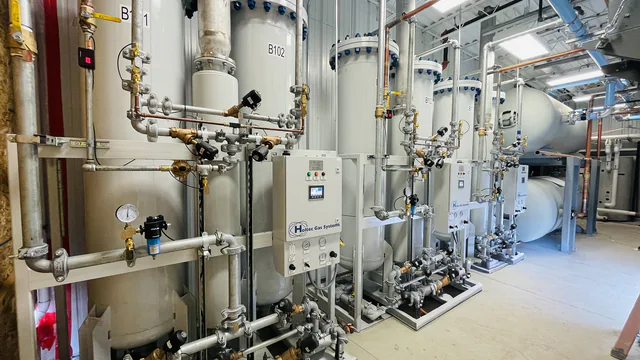
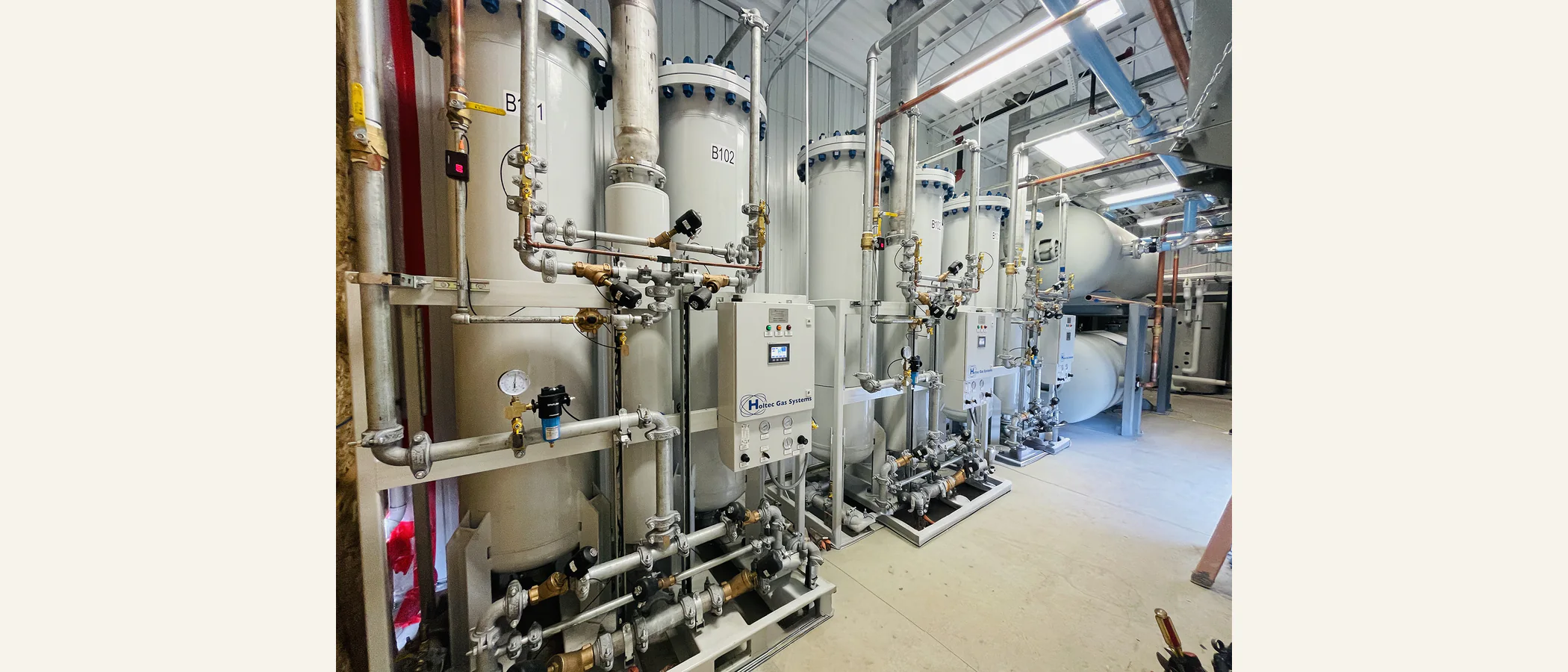
A nitrogen generation system is a technology that produces nitrogen gas from compressed air using pressure swing adsorption (PSA) or membrane technology. Generating nitrogen gas on-site through a nitrogen generation system can give businesses better control over their nitrogen supply. On-site generation means avoiding the challenges associated with nitrogen cylinders or dewar delivery, such as scheduling, delivery delays, or unexpected price fluctuations. With a reliable and consistent nitrogen supply, businesses can avoid supply chain disruptions and ensure smooth, uninterrupted operations.
Advantages of Maximizing Manufacturing Efficiency
Efficiency is necessary for the ongoing success of industrial manufacturing operations. It increases the ability of a manufacturing facility to produce maximum output with minimal waste, cost, and time. Efficient manufacturing processes are prized because they can increase productivity, improve product quality, reduce lead times, and lower operating costs. By optimizing operations for efficiency, businesses can gain a competitive edge in the market, increase profitability, and enhance customer satisfaction. Maximizing efficiency can bring numerous benefits to your business, including:
- Increased productivity: With streamlined processes and fewer interruptions, your facility can produce more in less time.
- Reduced costs: By minimizing waste and maximizing output, your business can lower production costs and increase profitability.
- Improved product quality: Efficient processes can reduce errors and defects, leading to higher-quality products.
- Enhanced safety: By reducing manual handling of nitrogen cylinders or dewars, your business can improve employee safety.
How a Nitrogen Generation System Plays a Crucial Role in Various Industries
Nitrogen generation systems play a crucial role in the overall optimization of numerous manufacturing processes. Moreover, they are widely used and are essential to maximizing manufacturing efficiency in multiple industries. For example:
Food and Beverage
The food and beverage industries often use nitrogen for product packaging and preservation. By using a nitrogen generation system, businesses can eliminate the need for nitrogen cylinders and ensure consistent quality and freshness of their products. Nitrogen also prevents the growth of harmful bacteria and extends the shelf life of products.
Pharmaceutical
Nitrogen is used in pharmaceutical manufacturing to prevent oxidation and contamination. A nitrogen generation system can help businesses maintain strict quality control standards and minimize production costs. Nitrogen also protects sensitive materials from exposure to oxygen, moisture, and other contaminants.
Electronics
Nitrogen is used in electronics manufacturing to prevent oxidation and improve soldering quality. A nitrogen generation system can ensure a consistent and reliable nitrogen supply, leading to fewer defects and higher yields. Nitrogen also protects electronic components from damage caused by moisture, oxygen, and other contaminants.
Aerospace
Nitrogen is used in the aerospace industry for purging fuel tanks and pressurizing systems. A nitrogen generation system can help ensure the safety and reliability of specialized aerospace equipment. Nitrogen also prevents the formation of explosive gas mixtures and removes contaminants from fuel tanks. While these are just a few examples, manufacturing has countless applications for nitrogen generation systems.
Nitrogen Generation vs. Bulk Nitrogen Delivery: The Numbers
For Midwest manufacturers currently purchasing bulk liquid nitrogen or cylinder nitrogen from a gas supplier, the economics of on-site nitrogen generation are compelling. Here's a real-world comparison for a facility consuming 3,000 to 5,000 cubic feet of nitrogen per day:
Bulk/Cylinder Nitrogen Costs: Depending on consumption, delivery frequency, and current gas pricing in Wisconsin, Illinois, Minnesota, or Missouri, bulk nitrogen delivery costs can run $2,000-$8,000+ per month, not including cylinder rental fees, demurrage charges, or the hidden cost of production interruptions when deliveries are delayed.
On-Site Nitrogen Generation: A PSA nitrogen generator with appropriate compressor and dryer sized for 3,000 to 5,000 CF/day typically requires an investment of $15,000-$50,000 (depending on required purity and capacity), with ongoing costs limited to electricity, compressor maintenance, and periodic sieve replacement. Most facilities achieve full payback within 12 to 24 months.
Purity Control: On-site generation also gives you precise control over nitrogen purity, dialing in the exact percentage your process requires rather than paying for a higher-purity product than necessary. PSA systems can typically produce nitrogen from 95% to 99.999% purity depending on flow rate and system design.
Key Components of a Complete Nitrogen Generation System
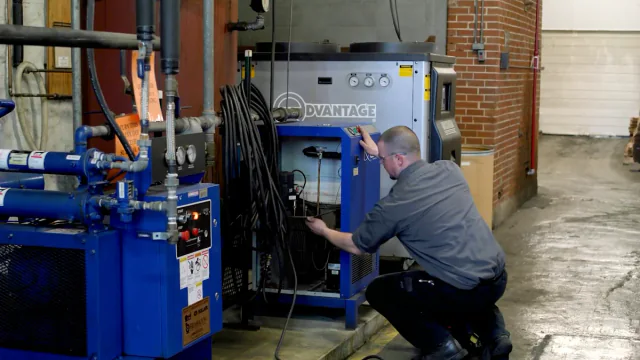
A properly designed nitrogen generation system from Brabazon includes: a properly sized oil-free or lubricated rotary screw air compressor, a high-efficiency refrigerated or desiccant air dryer (nitrogen generators require very dry inlet air - typically -40°F PDP or lower), a PSA nitrogen generator or membrane separation unit, nitrogen storage receiver(s), purity monitoring and alarm systems, and distribution piping to the point of use. Brabazon engineers and installs complete nitrogen generation systems throughout the Midwest, from initial assessment through commissioning and ongoing maintenance.
Unlock the Benefits of a Nitrogen Generation System Today
Nitrogen Generation System FAQ
What purity level do I need from my nitrogen generator?
Purity requirements vary by application. Food packaging and blanketing often require 98 to 99.5% purity. Electronics soldering typically needs 99.5 to 99.9%. Pharmaceutical and laboratory applications may require 99.999% (5-nines) purity. Higher purity means lower flow rates from the same generator - proper sizing requires knowing both your required purity and your required flow rate simultaneously.
Do I need oil-free compressed air for a nitrogen generator?
No, but you do need clean, dry, oil-free air delivered to the nitrogen generator inlet. A properly maintained lubricated rotary screw compressor with high-quality filtration (including a coalescing filter) and a -40°F PDP desiccant dryer upstream of the generator is typically sufficient. Brabazon specifies the complete inlet air treatment package as part of every nitrogen generator installation.
How much does nitrogen generator maintenance cost?
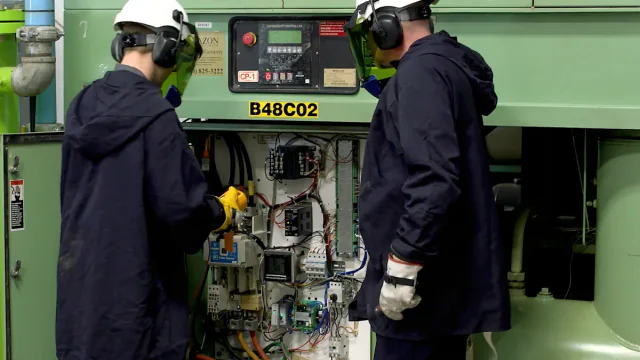
Maintenance costs for nitrogen generators are relatively low - primarily consisting of regular compressor and dryer service (covered under Brabazon's AirCare Plus™ program) and periodic replacement of PSA sieve material (typically every 8 to 12 years). Membrane generators require even less maintenance, with primary costs being compressor service and membrane module replacement every 5 to 10 years.
Can Brabazon install a nitrogen generation system at my facility?
Yes. Brabazon designs, installs, and services nitrogen generation systems for manufacturers throughout Wisconsin, Illinois, Minnesota, Indiana, and Missouri. Contact us to schedule a nitrogen demand assessment and receive a proposal for an on-site generation system.
Written by
Heath Brabazon
President