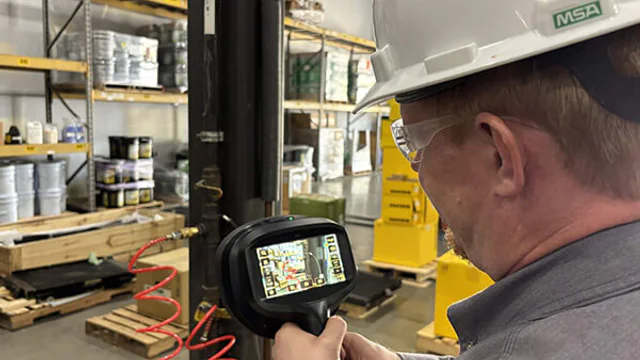
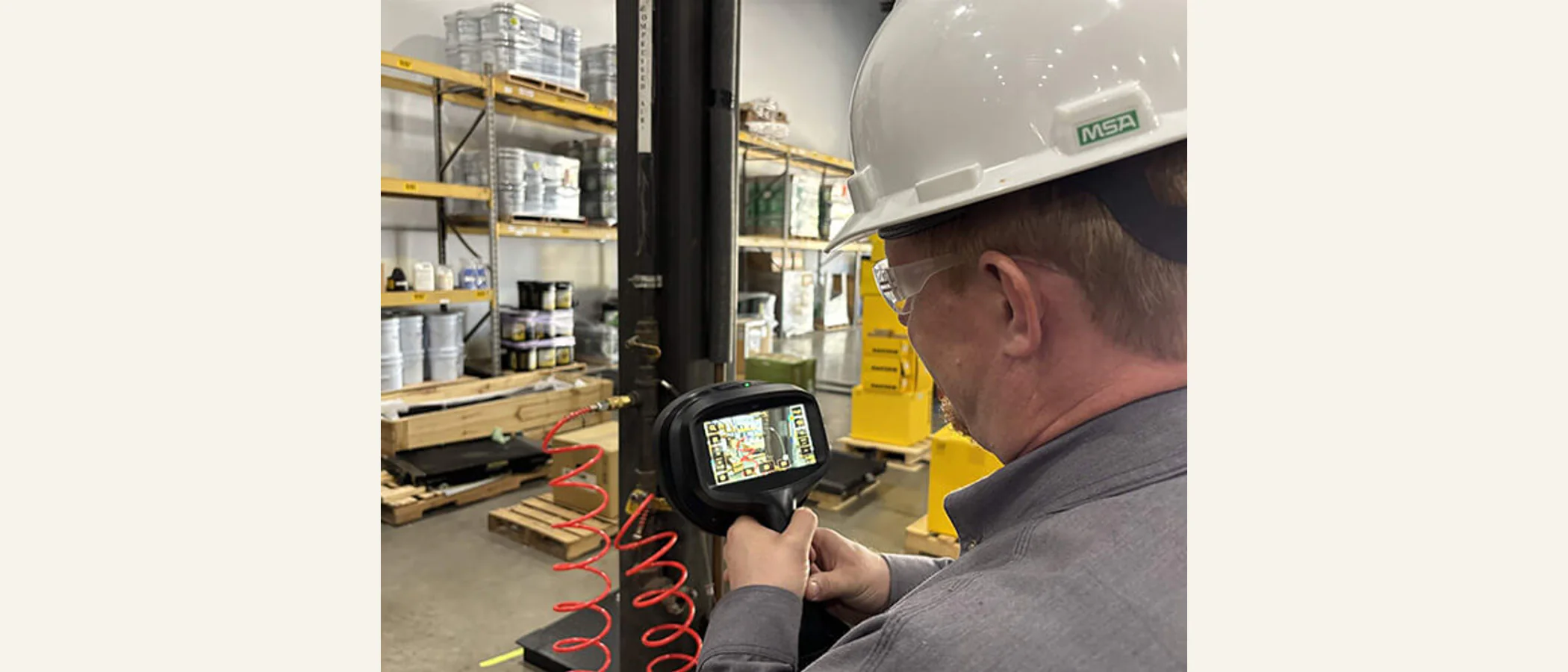
Air compressors are ubiquitous, operating behind the scenes in countless industries across the Midwest. These unsung heroes of the industrial world come with a significant price tag, especially when considering electricity costs. Yet, as vital as they are, many businesses are under-informed about the potential savings and optimizations waiting to be unlocked within their compressed air systems. This is where a compressed air audit can make an impact.
In this article
Defining the Compressed Air Audit
An audit of compressed air comprehensively examines an air compressor system, assessing its current performance, efficiency, and overall health. By using specialized tools and analysis, this audit gauges energy consumption, air leakage rates, pressure variances, and delivered air quality. The goal is to pinpoint inefficiencies and areas for potential improvement, offering actionable insights for cost savings and better compressed air quality and performance.
The Audit Process
Our compressed air audit process starts with understanding the facility. Then, data loggers are attached to key system points to capture real-time performance metrics over a set period. Subsequent analysis of this data, alongside the overall system design, sheds light on current operational inefficiencies, potential risks, and areas of wasted energy. We then compile the findings into a detailed report outlining the current system state and recommendations for enhancement.
Reasons Why a Compressed Air Audit is Essential
A compressed air audit is the foundation for understanding and optimizing your compressed air system. It is more than a superficial examination; it offers a glimpse into the heart of your operations. Here are some compelling reasons every business reliant on air compressors should prioritize this audit:
Substantial Cost Savings:
Electrical costs are monumental, particularly for continuous operations. A well-conducted audit highlights inefficiencies, leaks, and underperforming components. Addressing these areas can lead to remarkable savings. For instance, imagine the compounded savings when minor inefficiencies, running 24/7, are corrected. Beyond electricity, reduced wear and tear on equipment translates to lower maintenance costs and extended equipment lifespan.Boosted Productivity:
An optimized compressed air system leads to consistent output. There are fewer disruptions due to unexpected equipment downtimes. This means machinery and tools powered by the compressed air system can maintain performance, leading to more consistent production rates and better meeting delivery timelines.Consistent Plant Pressure:
Varying pressures can be a silent productivity killer. Tools might need to be fixed, processes might slow down, and product quality might decline. An audit makes sure that air pressure remains stable, irrespective of peak demand times or operational shifts. This stability results in consistent product quality and avoids undue stress on the machinery.Guaranteed Air Quality:
Adhering to standards like ISO8573 means the compressed air is free from contaminants that can compromise product quality. A small compromise can lead to significant losses, especially in industries where clean air is paramount, like food processing or electronics manufacturing. The audit sees that filtration and purification systems are up to mark, offering peace of mind and adherence to regulatory standards.Minimized Scrap and Waste:
Inefficient systems often lead to an increased scrap rate in production. This isn't just about wasted materials but also translates to wasted time, energy, and money. By making sure the system operates at its peak, an audit helps the production line stay efficient, reducing waste and thus increasing profit margins.Proactive Downtime Management:
Unscheduled downtimes are expensive and disruptive. An audit can preemptively identify potential issues, allowing for planned maintenance or upgrades. This forward-thinking approach allows continuity in operations and can be a boon in industries where time is of the essence.
Understanding these benefits can shift the perspective on compressed air audits from a 'nice-to-have' to a 'must-have.' With the potential to redefine your operational efficiency and bottom line, it's an investment that pays for itself multiple times over. For real-world evidence of these benefits, explore the specific case studies on our blog that underscore the impressive cost savings that arise from a compressed air audit in the food industry and in industrial manufacturing.
The Financial Case for a Compressed Air Audit
Compressed air is often called "the fourth utility" - and for good reason. Across the Midwest, industrial facilities typically spend 20 to 30% of their total energy budget on compressed air generation. A compressed air audit is one of the highest-ROI investments a plant manager can make, because the savings it identifies are ongoing, compounding year after year.
Consider these typical findings from Brabazon compressed air audits performed at Midwest manufacturing facilities:
Leak losses averaging 25 to 35%
of total compressed air production - representing thousands of dollars in wasted electricity annually at most facilitiesArtificial demand
from excessive system pressure - reducing pressure by just 10 PSI can decrease energy consumption by 5 to 7%Pressure differential across dryers and filters
exceeding manufacturer recommendations, indicating maintenance needs that are increasing energy costs dailyCompressors running unloaded for extended periods
- wasting energy while producing no useful work, and a clear indicator of oversizing or poor load scheduling
Compressed Air Audits and Sustainability Goals
For manufacturers in Wisconsin, Illinois, Minnesota, Indiana, and Missouri working toward energy efficiency certifications or carbon reduction targets, a compressed air audit is often a required first step. The audit provides the baseline data - current consumption, identified waste streams, and projected post-improvement consumption - needed to quantify environmental impact and demonstrate progress to stakeholders and certification bodies.
Brabazon's audit reports are structured to align with common sustainability reporting frameworks and can be used directly in grant applications for energy efficiency incentive programs available through Midwest utility companies and state energy offices.
Unlock Your System's Potential
Compressed Air Audit FAQ
What is the difference between a compressed air audit and a leak survey?
A leak survey focuses specifically on locating and quantifying air leaks using ultrasonic detection equipment. A full compressed air audit is a broader assessment that includes leak detection plus demand profiling, pressure analysis, equipment condition review, and energy cost calculations. Brabazon offers both services, and we can customize the scope based on your facility's needs and budget.
How does Brabazon measure compressed air leaks?
We use ultrasonic leak detection equipment that picks up the high-frequency sound signature of compressed air escaping through leaks - even in noisy plant environments where leaks aren't audible to the human ear. After detection, we tag and quantify each leak and provide a prioritized repair list based on the estimated cost of each leak per year.
Can a compressed air audit help me justify capital equipment purchases?
Absolutely. Audit data provides the objective, third-party analysis needed to build an internal business case for equipment upgrades, right-sizing, or VSD conversion. Many of our Midwest customers have used Brabazon audit reports to secure capital budget approval for compressor replacements or system overhauls.
Is there a cost for a compressed air audit?
Brabazon offers a range of audit options. Contact us to discuss scope and pricing for your specific facility. In many cases, the energy savings identified in the first year far exceed the audit cost, resulting in a strong return on investment even before accounting for extended equipment life and reduced maintenance costs.
Written by
Heath Brabazon
President