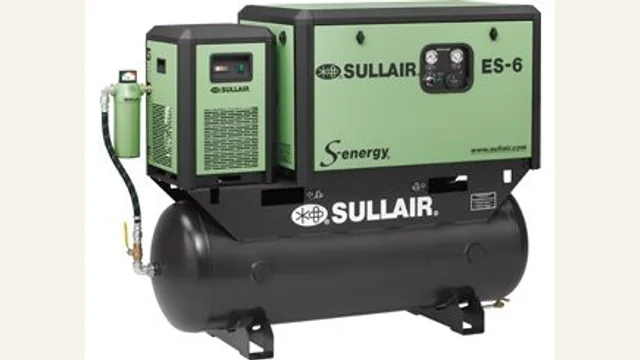
Proper lubrication is essential to the performance, efficiency and lifespan of an oil-lubricated rotary screw or piston air compressor. Using the wrong type of oil, skipping oil changes or neglecting oil system maintenance are among the most common causes of premature compressor failure and costly downtime. This guide covers everything you need to know about air compressor oil.
In this article
What Does Air Compressor Oil Do?
In oil-lubricated air compressors, the oil performs several critical functions:
Lubrication:
Reduces friction and wear between moving parts (rotors, bearings, gears)Cooling:
Absorbs heat generated during compression and transfers it to the oil coolerSealing:
In rotary screw compressors, oil seals the clearance between rotors, improving efficiencyCleaning:
Carries away contaminants, wear particles and debris to the oil filter
Types of Air Compressor Oil
Mineral (Petroleum-Based) Compressor Oil
Traditional mineral oils are derived from petroleum and provide adequate lubrication for many applications. They are typically less expensive but require more frequent change intervals - often every 1,000 to 2,000 hours for rotary screw compressors.
Synthetic Compressor Oil
Synthetic compressor lubricants - typically polyalphaolefin (PAO) or ester-based - offer significantly better performance than mineral oils:
- Longer change intervals: typically 4,000 to 8,000 hours for rotary screw compressors
- Better thermal stability and oxidation resistance
- Lower carbon deposit formation
- Better performance at temperature extremes
- Reduced energy consumption in many applications
Most major compressor manufacturers - including Sullair, Atlas Copco and Ingersoll Rand - develop their own branded synthetic lubricants optimized for their equipment.
Air Compressor Oil Change Intervals
Oil change intervals vary by compressor type, oil type and operating conditions. As a general guideline:
Rotary screw with mineral oil:
Every 1,000 to 2,000 operating hoursRotary screw with synthetic oil:
Every 4,000 to 8,000 operating hoursPiston compressors:
Every 500 to 1,000 hours, or annually - whichever comes firstHigh-temperature or dirty environments:
Reduce intervals by 25 to 50%
Always follow the manufacturer's recommendations for your specific model. Overextending oil change intervals is a false economy - degraded oil leads to increased wear, higher operating temperatures and shortened compressor life.
How to Check Air Compressor Oil
Most rotary screw compressors have a sight glass or dipstick for checking oil level. Check the oil level daily or weekly depending on your operating schedule. Look for:
- Oil level between the minimum and maximum marks
- Clear or light amber color (dark or black oil indicates degradation)
- No milky appearance (which indicates water contamination)
- No metallic particles or debris in the oil
Oil-Free vs Oil-Lubricated Compressors
Oil-free compressors eliminate the lubricant from the compression chamber entirely, using special coatings, water injection or dry compression technology. They are required for food, pharmaceutical and electronics applications where oil contamination is unacceptable. However, even oil-free compressors typically have oil-lubricated gearboxes and bearings that require maintenance.
Compressor Oil Maintenance Services from Brabazon
Brabazon offers preventive maintenance programs for all major compressor brands that include oil analysis, oil changes and complete lubricant system maintenance. Our technicians use OEM-approved lubricants and follow manufacturer specifications to keep your warranty valid and your compressor running at peak efficiency. Learn about our compressor service programs or contact us to schedule maintenance today.
SERVICE & PARTS