Where food grade air is required, where it is not, and how to split contact from utility air so you only pay for Class 0 where product is touched.
ISA-7.0.01 instrument air, process air at Class 0 where it enters the stream, on-site nitrogen for blanketing and purging, and redundant configurations for continuous process plants.
Four applications with four different air quality requirements from one compressor room: blast air, plasma air, laser assist gas, and machine tool air.
Which tasks need compressed air, which need vacuum, and where Class 0 applies on contact packaging, plus the venturi-to-pump crossover math.
Bay-and-tool sizing for shops: rotary screw 5 to 25 HP, dryers that stop moisture in the lines, and OSHA Grade D breathing air for the paint booth.
Low pressure plant air, high pressure PET blow air, and the dry air that stops splay and silver streaking on hygroscopic resins, plus process cooling.
Towable compressors sized from tool CFM, 185, 375, and 750 classes, plus dewatering pumps and the honest rent-versus-buy math for project work.
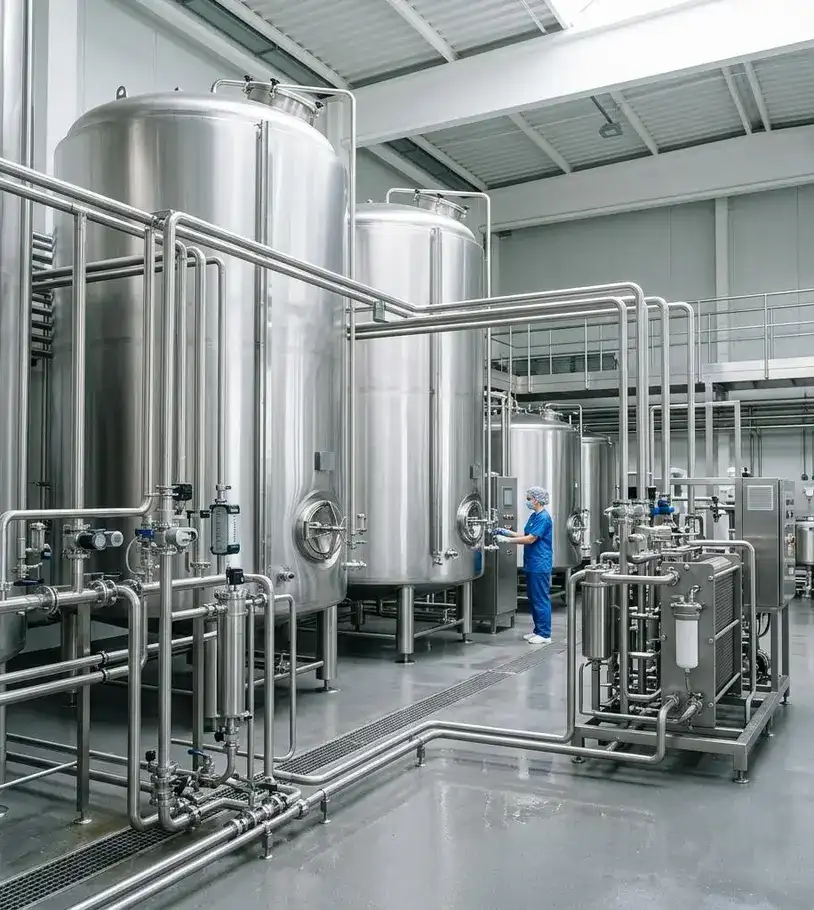
Validated Class 0 process air, NFPA 99 medical gas context, and the qualification documentation your quality unit will be asked to produce.
Sizing from real simultaneous demand, VSD guidance, and the leak math that DOE says wastes 20 to 30 percent of what most plants compress.
Sizing from the tools running at the same time: nailers, spray finishing, CNC routing, and sawmill utility air from a single correctly specified compressor room.
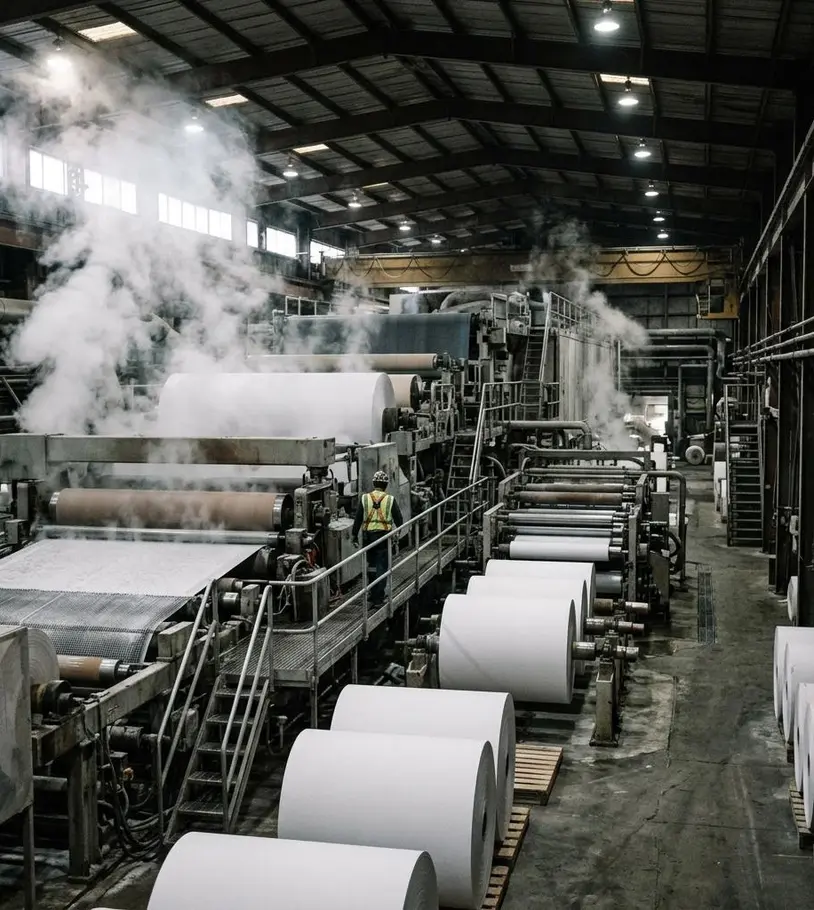
Contact air at ISO 8573-1 Class 0, instrument air at ISA-7.0.01 dew point, vacuum for the press section, and N+1 redundancy that keeps the machine running.
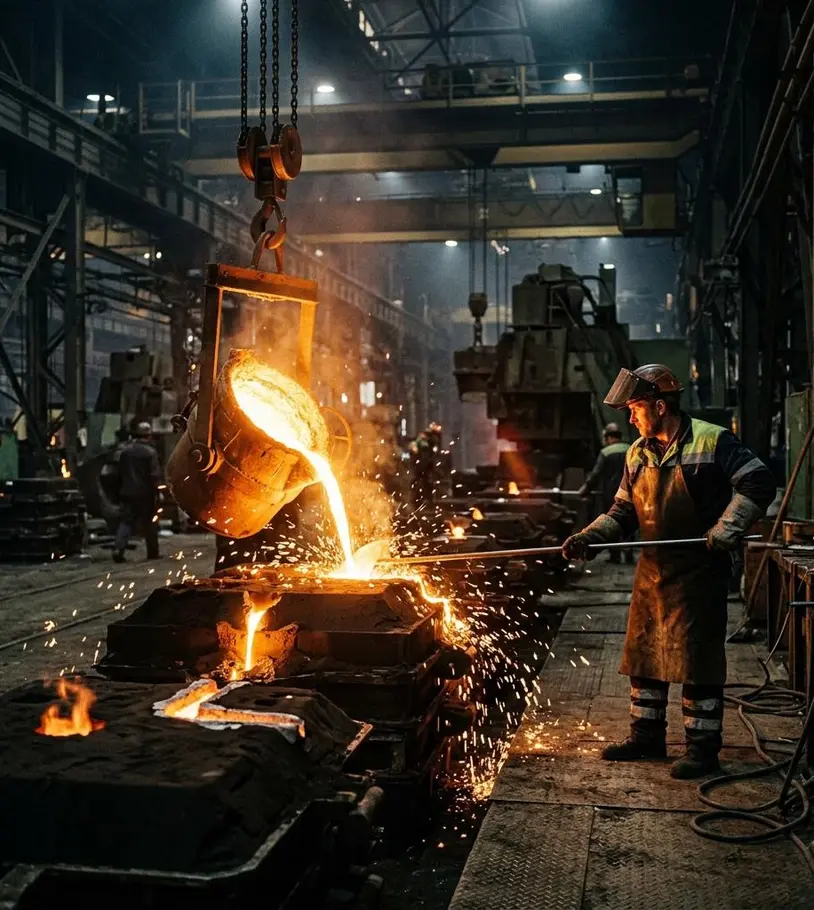
Consistent dry air for cold box core blowing, sand handling and conveying, shakeout tools, and baghouse pulse-jet cleaning in high ambient heat and dust.
Sanitary oil-free contact air for filling, capping, and film blow-off in the cheese and dairy plants Brabazon has served from Green Bay since 1978.
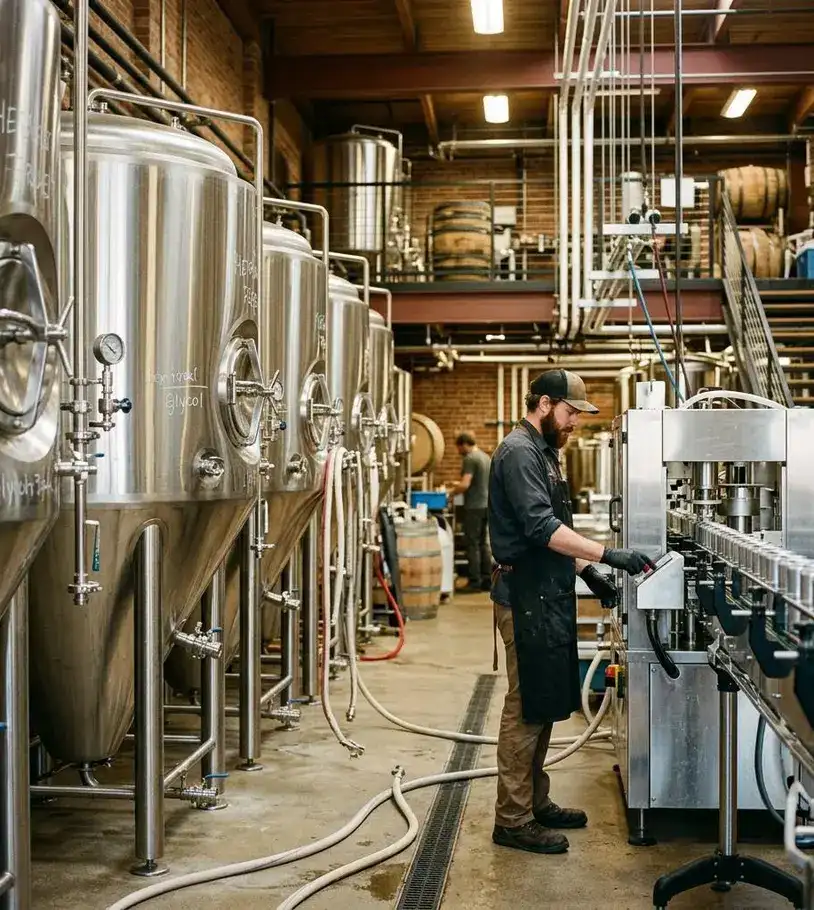
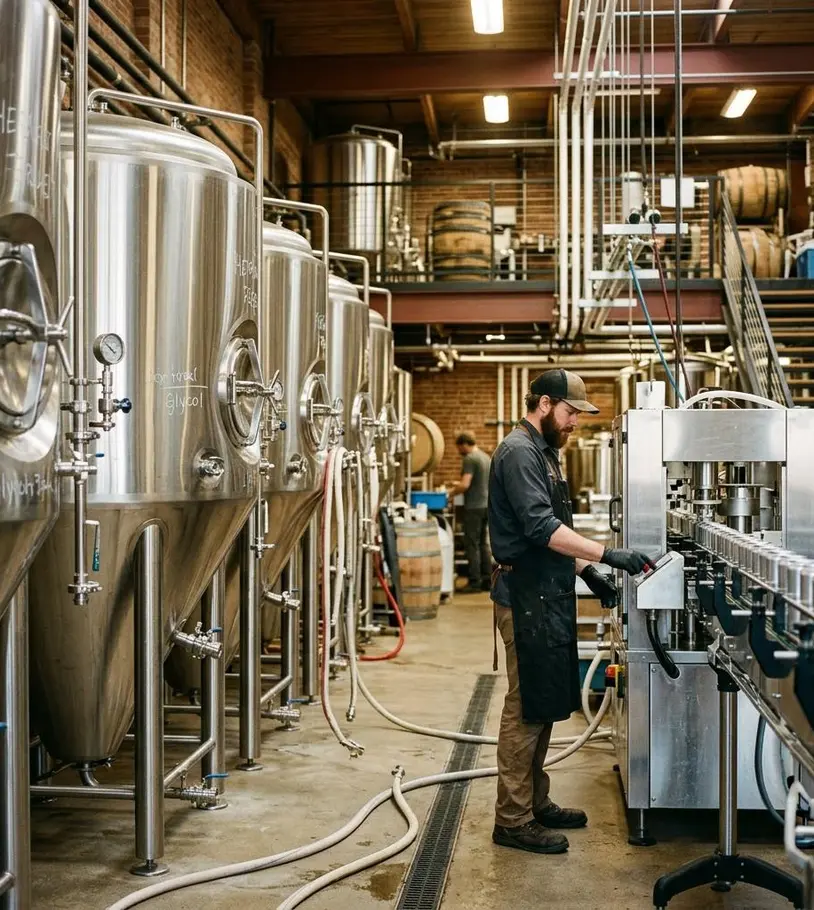
On-site nitrogen for canning and tank purging, oil-free blow-off at the filler, aeration, keg washing, and grain handling from one correctly split system.
Portable diesel compressors for the pit, pulse-jet air that keeps baghouse bags from blinding, and dense phase conveying of cement and fly ash.
Conveying blowers, gate and diverter actuation, and baghouse air for elevators and feed mills, with rental capacity for harvest peaks and rural coverage.
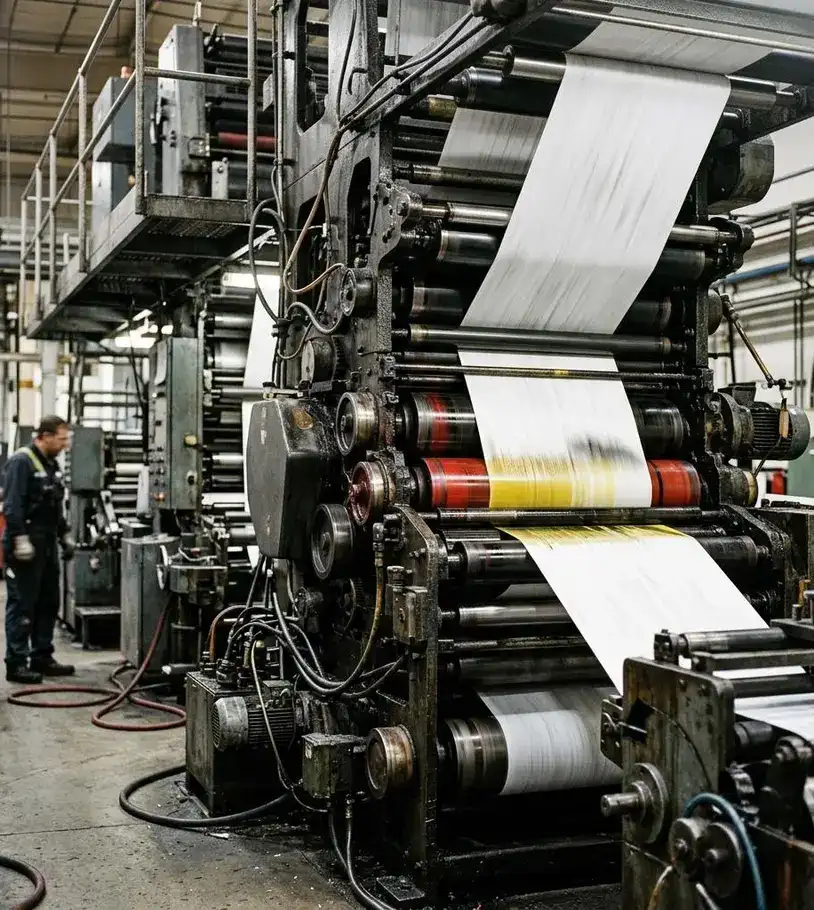
Clean dry air that protects presses and printheads, plus the vacuum that feeds sheets and carries the web through printing and converting lines.
Oil-free Class 0 air for molding, assembly, and packaging in controlled environments, with documentation support and Twin Cities corridor service.
PD, screw, and turbo blowers compared on efficiency and turndown, with EPA putting aeration at 50 to 60 percent of plant energy use.
Sizing from spindles, bar feeders, and blow-off actually running at once, with the dry air that keeps moisture out of turrets and tool changers.
One campus can include laboratories, medical centers, arenas, central plants, and trade shops. Plan compressed air, vacuum, and pump service around the buildings and teams that keep campus operations moving.
N+1 duplex instrument air packages, desiccant drying to a -40 F class dew point, and the monitoring points your reliability standard expects.
Clean dry air held at the tool: Class 0 oil-free supply, desiccant drying to the -40 F class, and point-of-use filtration zoned to the sensitive processes.
Grade D supplied air for blasting, coating, and confined space: compressor packages or purification panels with CO monitoring, sized per respirator user.