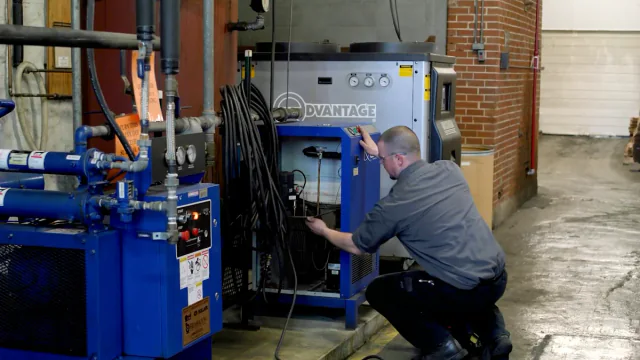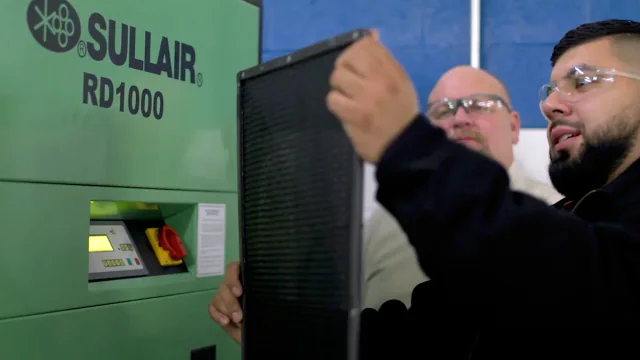

Compressed air dryers are integral to enhancing system efficiency and protecting machinery in complex industrial settings, offering advanced moisture removal technologies to meet the rigorous demands of modern operations. As a leading provider in this sector, we're primed to assist you in navigating the complexities of these systems. This brief guide is crafted to provide an overview of compressed air dryers, focusing on how they can optimize your industrial processes and the diverse range Brabazon offers to meet specific operational needs.
In this article
What Are Compressed Air Dryers?
Compressed air dryers are vital components in industrial air systems across a variety of industries and operations. They function by removing moisture from compressed air, which is essential to prevent water accumulation that can cause damage to equipment and compromise air quality. Essentially, these dryers enhance the overall efficiency and longevity of air compression systems.
Diverse Applications of Air Dryers
These dryers find extensive use across various industries. For example, compressed air dryers are indispensable for promoting the smooth operation of pneumatic tools in manufacturing and maintaining the integrity of processes in the pharmaceutical industry. They are also crucial in the food and beverage industry, where moisture control is key to quality and safety standards. Their versatility extends to sectors like automotive and electronics manufacturing, where precise air quality is essential for optimal product performance and longevity, further demonstrating the universal importance of compressed air dryers in a multitude of industrial environments.
Selecting the Right Compressed Air Dryer for Your Business
Choosing the appropriate compressed air dryer is paramount for your business's efficiency. Factors like the specific requirements of your industry, the desired dew point, and the type of compressor used are crucial considerations. Brabazon offers a range of options, including refrigerated cycling, refrigerated non-cycling, desiccant, and membrane dryers, each designed to meet specific needs. Every industry demands a unique approach to air drying, and understanding these specific needs is where Brabazon excels. Our compressed air dryers meet the diverse requirements of modern industries so that every client finds the perfect match for their specific application. Plus, we make ourselves available to answer our customers' questions and help provide education on effective and efficient air compression products and processes.
Types of Compressed Air Dryers Brabazon Offers
Not all compressed air dryers are created equal. The right choice depends on your application, required pressure dew point, flow rate, and operating environment. Brabazon stocks and services four primary types:
Refrigerated Cycling Dryers - These units cycle the refrigerant on and off based on demand, making them highly energy-efficient during periods of low compressed air use. Ideal for facilities with variable air demand throughout the day.
Refrigerated Non-Cycling Dryers - A reliable workhorse that runs continuously, providing a steady dew point regardless of load fluctuation. A popular choice for consistent-demand industrial environments across Wisconsin, Illinois, Minnesota, and Missouri.
Desiccant Dryers - These deliver pressure dew points as low as -40°F, making them the standard choice for critical applications like pharmaceutical manufacturing, electronics assembly, and any process where trace moisture could cause damage or product failures.
Membrane Dryers - A compact, low-maintenance option suited for point-of-use applications. No moving parts means fewer failure points - a practical solution for remote or hard-to-access locations.
Common Signs Your Compressed Air System Needs a Dryer Upgrade
Many facilities in the Midwest operate with aging or undersized air dryers without realizing the compounding costs. Watch for these warning signs that your dryer needs attention or replacement:
- Rust or moisture in downstream air lines and equipment
- Pneumatic tools performing inconsistently or failing prematurely
- Product quality issues in processes that use compressed air directly (painting, food packaging, pharmaceutical)
- Elevated energy costs without a corresponding increase in production
- Visible water in the air receiver tank or at drain points
Brabazon's technicians can perform a compressed air system audit to assess your current dryer's performance and recommend the right upgrade path. Our service vans are fully stocked and our teams are strategically located from Green Bay to St. Louis to minimize your downtime.
Brabazon Has You Covered
Frequently Asked Questions: Compressed Air Dryers
What pressure dew point do I need for my application?
Most general industrial applications require a pressure dew point of 35 to 50°F, achievable with a refrigerated dryer. Sensitive applications like pharmaceuticals, electronics, and food processing typically require -40°F or lower, which calls for a desiccant dryer. Brabazon can assess your application and recommend the right dew point specification.
How often should a compressed air dryer be serviced?
Refrigerated dryers typically need an annual inspection, cleaning of the heat exchanger, and verification of drain function. Desiccant dryers require periodic desiccant replacement - usually every 3-5 years depending on usage and inlet conditions. Brabazon's AirCare Plus™ Planned Maintenance program covers dryer service alongside your compressor maintenance to keep your whole system optimized.
Can I add a dryer to my existing compressed air system?
Yes - in most cases, a dryer can be added to an existing system without major modifications. The key is sizing the dryer correctly for your compressor's output capacity and your facility's operating pressure. Brabazon's engineers handle this assessment and can provide a complete turnkey installation throughout the Midwest.
What's the difference between a refrigerated and desiccant dryer?
Refrigerated dryers chill compressed air to condense and remove moisture, achieving dew points around 35-50°F. Desiccant dryers use moisture-absorbing material to achieve much lower dew points (-40°F and below). Your choice depends on how moisture-sensitive your processes are. Brabazon can walk you through both options with no pressure - just honest guidance.
Contact Brabazon to schedule a compressed air system assessment at your facility. Our teams serve all of Wisconsin, Illinois, Minnesota, Indiana, Missouri, and surrounding Midwest states.
Contact UsWritten by
Heath Brabazon
President