The U.S. Department of Energy estimates that the average industrial facility loses 20 to 30% of its total compressed air production through leaks. For a facility running a 100-horsepower compressor at an average energy cost of $0.10 per kWh, that translates to $7,000 to $10,000 in wasted electricity annually - just from leaks. In larger facilities with multiple compressors, leak losses frequently exceed $50,000 per year.
Compressed air leaks are insidious precisely because they're invisible. You can't see air escaping from a fitting, a valve stem, or a condensate drain. The compressor just runs more - and your energy bill grows. Unless someone is actively looking for leaks with the right tools, the losses continue indefinitely.
Brabazon conducts compressed air leak surveys for industrial facilities throughout Wisconsin, Illinois, Minnesota, and Missouri using professional ultrasonic detection equipment. This guide explains why leaks are so costly, how they're found, and what a systematic leak remediation program delivers. If your plant is on ComEd delivery in Northern Illinois, ComEd pays incentives for the survey and for every leak repaired.
In this article
Why Compressed Air Leaks Are So Expensive
Compressed air is expensive to produce. When you factor in the capital cost of the compressor, energy consumption (which accounts for 70 to 80% of total compressor lifecycle cost), maintenance, and the cost of drying and treating the air to required quality levels, most industrial facilities pay $0.25 to $0.35 per thousand cubic feet of compressed air produced. At those prices, a single significant leak can cost hundreds to thousands of dollars per year.
To put it in concrete terms: a 1/8-inch leak at 100 PSI wastes approximately 25 CFM of compressed air. In a typical industrial facility, that's roughly $4,000-$6,000 in annual energy cost from a single hole the size of a pencil eraser. Most facilities have dozens of smaller leaks spread across their distribution system - at fittings, unions, valve packings, hose connections, condensate drains, and flexible connections.
Beyond direct energy cost, leaks cause secondary problems. They force compressors to run longer and more frequently to maintain system pressure, accelerating wear and increasing maintenance frequency. They reduce the available pressure at end-use tools and equipment, affecting productivity and product quality. In facilities with tight energy budgets or sustainability targets, unmeasured leak losses undermine both.
Common Sources of Compressed Air Leaks
Understanding where leaks typically occur helps focus detection efforts on high-probability locations. The most common leak sources in industrial compressed air systems include threaded pipe connections (especially older threaded fittings with degraded sealant), quick-disconnect couplings and fittings (which wear and develop bypasses over time), condensate drains (both automatic drains that fail partially open and manual drains that are inadvertently left cracked open), valve stems and packing (including shut-off valves, pressure regulators, and filter/regulator/lubricator assemblies), flexible hose connections (at both the hose ends and any in-line connections), and rubber or flexible sections of distribution piping that have cracked or deteriorated with age.
In facilities with older piping systems, corrosion-thinned pipe walls and degraded joints can also develop leaks - particularly in areas exposed to moisture, temperature cycling, or vibration from nearby equipment.
How Professional Leak Detection Works
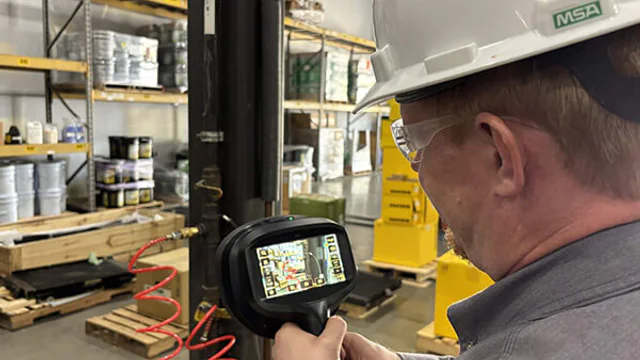
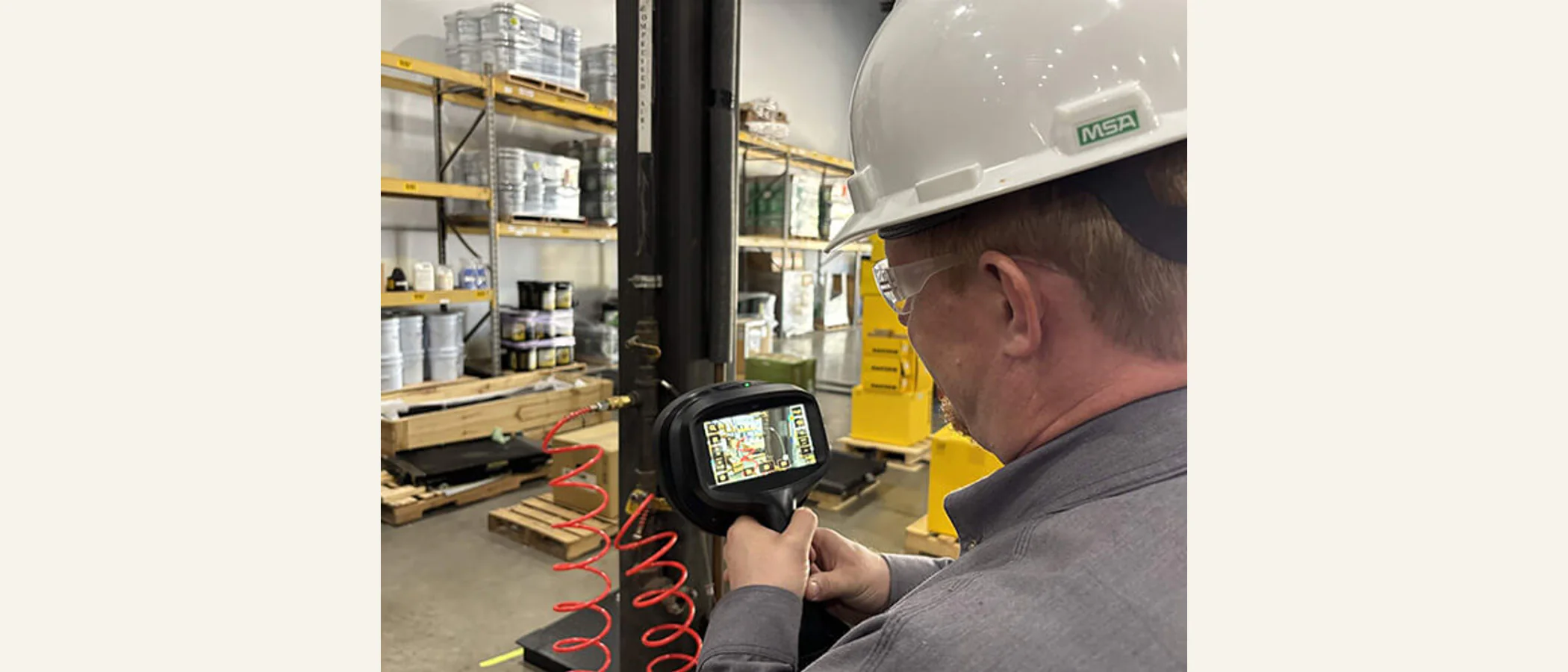
The professional standard for compressed air leak detection is ultrasonic detection - using specialized acoustic instruments that detect the high-frequency sound produced by turbulent air flow through leak points. Compressed air leaks produce sound in the ultrasonic range (40 kHz and above), which is above the threshold of human hearing but clearly detectable with ultrasonic instruments. This technology allows technicians to locate leaks in noisy industrial environments where ambient sound would mask the audible hiss of escaping air.
A Brabazon compressed air leak survey includes a systematic walk-down of your entire compressed air distribution system - from the compressor room through the header piping and all branch lines to end-use equipment. Every component is scanned: fittings, valves, drains, hose connections, and equipment connections. When a leak is detected, the technician marks the location, estimates the leak flow rate based on signal intensity, and records the location in a detailed report.
The final leak survey report quantifies each leak in CFM and estimated annual energy cost, prioritizes remediation by leak severity, and provides a total estimate of the facility's leak losses as a percentage of total compressed air production. This data gives facility managers the information they need to build a business case for leak remediation investment - and typically shows a payback period of 3 to 18 months depending on facility size and leak severity.
Repairing Leaks: What the Work Actually Involves
Most compressed air leaks are inexpensive to fix. Common repairs include replacing worn quick-disconnect couplings and fittings, retightening or re-sealing threaded connections with appropriate thread sealant, replacing condensate drain components that are failing to seal properly, repacking valve stems, and replacing deteriorated flexible hose sections.
The repair work itself is typically straightforward - but it requires systematic follow-through. Brabazon recommends that facilities address all identified leaks in a single coordinated remediation effort rather than cherry-picking the largest leaks and leaving the smaller ones. Small leaks repaired today prevent them from becoming large leaks next year.
After remediation, a follow-up verification survey confirms that identified leaks have been successfully repaired and identifies any new leaks that may have developed since the initial survey. For facilities committed to ongoing energy management, Brabazon recommends annual leak surveys as part of a comprehensive compressed air efficiency program.
Schedule a Leak Survey
Ready to Stop Paying for Air You're Not Using?
Brabazon's compressed air audit and leak detection services are available to industrial facilities throughout Wisconsin, Illinois, Minnesota, and Missouri. A leak survey typically requires 4 to 8 hours of technician time depending on system size, and the payback from eliminating identified leaks typically occurs within months of the remediation investment.
Call 800.825.3222 or contact Brabazon online to schedule a compressed air leak survey or discuss a comprehensive efficiency audit for your facility. Our technicians are available for surveys, remediation, and follow-up verification - with 24/7 emergency service availability if any urgent issues are discovered during the survey process.
Written by
Heath Brabazon
President