Compressed air is one of the most expensive utilities in a manufacturing facility - often accounting for 25 to 35% of total electricity costs. Yet most plants accept that cost as fixed. It is not. The majority of compressed air energy waste comes from a handful of well-documented, fixable problems. This guide covers the highest-impact actions your facility can take to reduce compressed air energy costs, starting with the ones that cost the least to implement.
In this article
1. Fix Compressed Air Leaks First
Leaks are the single largest source of compressed air waste in most facilities. The U.S. Department of Energy estimates that the average industrial plant loses 20 to 30% of its compressed air output to leaks. In older, less-maintained systems, that figure can exceed 40%. A single 1/8-inch leak at 100 PSI wastes approximately 25 CFM - enough to power several pneumatic tools - and costs thousands of dollars per year in electricity.
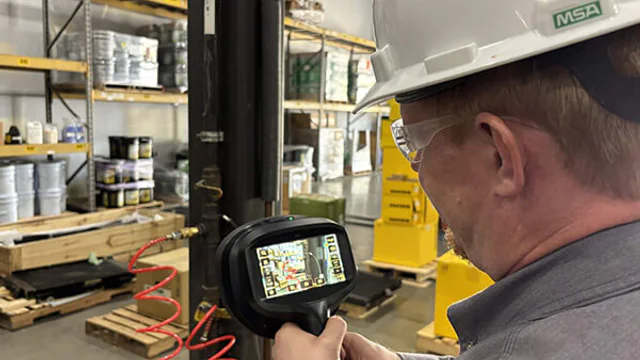
Leak detection and repair is the highest-ROI compressed air improvement available to most plants. Ultrasonic leak detectors can identify leaks in loud industrial environments that are impossible to hear. Brabazon's audit team regularly finds 20 to 60+ leak points per facility. The payback period for a professional leak audit is typically measured in months, not years. Northern Illinois plants on ComEd delivery can put ComEd compressed air rebates toward leak repair, pressure reduction and VSD upgrades.
2. Lower Your System Pressure
Every 2 PSI of pressure reduction saves approximately 1% in compressor energy consumption. Many facilities run their systems at higher pressure than necessary - either because equipment was oversized originally, because of pressure drop through a poorly designed piping system, or simply because no one has recalibrated the system in years.
Audit your actual tool requirements. If your highest-demand tool runs at 90 PSI, running your entire system at 120 PSI to compensate for a pressure drop somewhere in your piping wastes significant energy. Fix the pressure drop issue (usually a piping restriction or undersized header) rather than compensating with higher system pressure.
3. Install a Variable Speed Drive (VSD) Compressor
Traditional fixed-speed compressors run at full capacity or cycle off - there is no middle gear. When demand is lower than full output, the compressor either unloads and runs at near-full power while delivering no air, or it cycles on and off repeatedly, which wastes energy and accelerates wear.
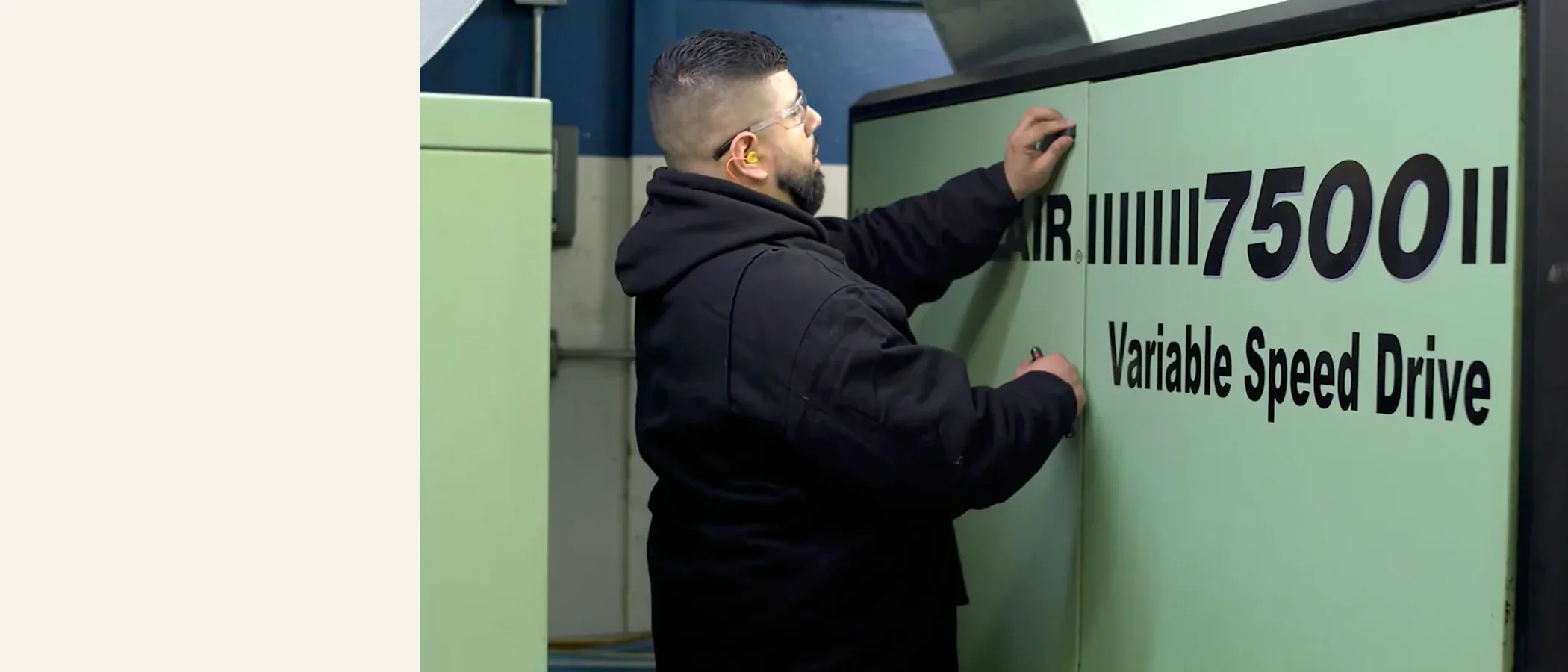
Variable speed drive compressors match their motor speed - and therefore their output - to real-time demand. In facilities with variable air consumption, a VSD compressor can reduce energy consumption by 20 to 35% compared to a fixed-speed unit of equivalent capacity. Sullair's VSD lineup, which Brabazon sells and services, is specifically designed for Midwest industrial applications where demand fluctuates significantly by shift or season.
4. Eliminate Inappropriate Uses of Compressed Air
Compressed air is convenient, so it gets misused. Common energy-wasting applications include using compressed air to cool operators or machinery (a fan uses a fraction of the energy), to clean surfaces or blow off parts (dedicated blowers are far more efficient at lower pressure), or to agitate materials in tanks or hoppers. Each of these can be done with purpose-built equipment at a fraction of the compressed air energy cost.
Do a walkthrough of every compressed air application in your facility. For each one, ask: is compressed air the most energy-efficient way to accomplish this task? In many cases, the answer is no.
5. Add Compressed Air Storage
Inadequate storage is a hidden energy cost driver. When demand spikes briefly - during a tool startup, a valve opening, or a batch process - a system without adequate storage forces the compressor to ramp up immediately to meet that demand. This creates pressure swings that force the compressor to run at higher pressure than needed most of the time, wasting energy around the clock to handle peak events that last seconds.
Adding secondary air storage tanks near high-demand points in your system smooths out demand spikes, allows your compressor to run at lower average pressure, and extends compressor life by reducing the number of load/unload cycles.
6. Recover Compressor Heat
Air compressors convert nearly all the electrical energy they consume into heat. In a standard air-cooled rotary screw compressor, 80 to 90% of that heat can be recovered and used for space heating, process heating, or hot water generation. Heat recovery systems typically pay for themselves in one to three heating seasons in Midwest climates where heating costs are significant from October through April.
This is a straightforward return on an investment that most facilities are simply leaving on the table every winter.
7. Schedule a Professional Compressed Air Audit
The actions above address the most common issues, but every compressed air system has a unique mix of inefficiencies. A professional audit measures actual system performance - peak demand, average demand, pressure profiles, leak volume, and heat recovery potential - and produces a prioritized list of improvements with estimated payback periods for each.
Brabazon performs compressed air audits across the Midwest for facilities ranging from small machine shops to large-scale manufacturing operations. Our factory-certified technicians have the data logging equipment and system knowledge to identify energy savings opportunities that a visual walkthrough will miss. If your facility spends more than $20,000 per year on electricity and uses compressed air in production, an audit almost always finds enough savings to more than offset its cost.
Related Resources
- Compressed Air Energy Audits - identify and quantify every source of waste in your system
- Compressed Air Leak Detection - ultrasonic leak surveys and repair across the Midwest
- Energy Efficiency Services Hub - all of Brabazon's energy reduction services in one place
Schedule an Energy Audit