Industrial vacuum pumps are essential components in manufacturing, processing, and laboratory environments where creating a partial or near-total vacuum is required. Whether you're holding parts during machining, degassing liquids, packaging food products, or supporting complex chemical processes, the right vacuum pump selection directly affects process quality, energy efficiency, and equipment longevity. This guide covers the major types of industrial vacuum pumps, their key applications, and how to choose the right system for your facility.
In this article
What Is an Industrial Vacuum Pump?
A vacuum pump removes gas molecules from a sealed volume to create a partial or high vacuum - a space with pressure below atmospheric (below 14.7 PSI or 760 mmHg). The degree of vacuum achieved is measured in inches of mercury (inHg), millibars (mbar), or Torr, depending on the application and industry. Industrial vacuum pumps range from rough vacuum systems (down to ~25 inHg) used for material handling and packaging to high vacuum systems used in scientific instruments and semiconductor manufacturing.
Types of Industrial Vacuum Pumps
Rotary Vane Vacuum Pumps
Rotary vane pumps use a rotor with sliding vanes mounted eccentrically inside a cylindrical housing. As the rotor turns, the vanes slide in and out, trapping gas in expanding and compressing chambers. These pumps are oil-lubricated (or dry-running in newer designs), compact, and capable of reaching vacuums in the rough-to-medium range. Common applications include packaging machinery, material handling, and printing equipment.
Liquid Ring Vacuum Pumps
Liquid ring pumps use a rotating impeller inside a casing partially filled with sealant liquid (typically water). The rotating liquid forms a ring that seals and compresses gas chambers. These pumps handle moist, contaminated, or condensable gases well - making them ideal for pulp and paper, chemical processing, food processing, and power generation applications where other pump types would fail or require costly pre-conditioning of the gas stream.
Dry Screw Vacuum Pumps
Dry screw pumps use two counter-rotating screw rotors that trap and compress gas without any oil in the compression chamber. They offer oil-free operation, handle process gas and vapor contamination well, and require minimal maintenance compared to oil-sealed alternatives. Common in pharmaceutical manufacturing, chemical processing, and applications where oil contamination would be unacceptable.
Claw Vacuum Pumps
Claw pumps use two claw-shaped rotors that compress gas without contact between rotors or with the housing walls. They are oil-free, energy-efficient, and well-suited for continuous industrial operation. Typical applications include packaging, plastics thermoforming, and centralized vacuum systems.
Diaphragm Vacuum Pumps
Diaphragm pumps use a flexible membrane to displace gas. Completely oil-free and chemically resistant versions are available. Ideal for laboratory applications, sample handling, and light industrial uses where vacuum levels in the 5 to 100 mbar range are acceptable and process contamination must be avoided.
Common Industrial Vacuum Pump Applications
Vacuum forming and thermoforming:
Plastic sheet forming processes that pull sheet material onto moldsPackaging:
Vacuum packaging for food, medical devices, and industrial productsMaterial handling:
Vacuum lifting and conveying systems for sheet goods, bags, and bulk materialsChemical and pharmaceutical processing:
Distillation, drying, degassing, and filtration operationsPrinting and binding:
Vacuum tables for print registration and paper holdingWoodworking:
CNC router vacuum tables for workpiece clampingPulp and paper:
Web forming, dewatering, and press section vacuum systemsElectronics manufacturing:
Circuit board handling and semiconductor processing
How to Choose an Industrial Vacuum Pump
Selecting the right vacuum pump involves evaluating several factors:
Required vacuum level:
What pressure level does your process need? Rough vacuum (down to 25 inHg) vs. medium vacuum (down to 1 mbar) vs. high vacuum (Flow rate (pumping speed):
How much gas volume do you need to evacuate, and how quickly? Measured in CFM or m³/hr.Gas/vapor composition:
Is the gas clean and dry, or does it contain moisture, dust, solvents, or corrosive compounds? This significantly affects pump selection.Oil-free vs. oil-sealed:
Processes where oil contamination is unacceptable require dry-running or oil-free pump technology.Duty cycle:
Intermittent vs. continuous operation affects the type of pump and maintenance requirements.Energy efficiency:
Variable speed drive (VSD) vacuum pumps can significantly reduce energy consumption in systems with variable demand.
Industrial Vacuum Pump Service and Maintenance
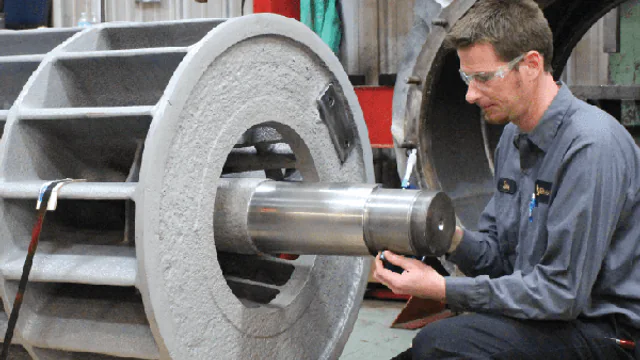
Like compressed air equipment, vacuum pumps require regular preventive maintenance to stay reliable. Key maintenance items include oil changes (for oil-sealed pumps), filter replacement, vane inspection and replacement, shaft seal service, and periodic performance verification. Brabazon's service technicians are trained on all major vacuum pump brands and can establish a preventive maintenance schedule or respond to emergency breakdowns across our Midwest service territory.
Contact Brabazon at 800.825.3222 or online to discuss your vacuum pump application, get a replacement recommendation, or schedule service.
VACUUM PUMP EXPERTS