Spring is the right time to get your compressed air system ready for summer - before the heat, humidity, and peak production demands of the warmer months stress equipment that has been running through a cold Midwest winter. The problems that develop quietly over the winter - condensate buildup, worn belts, dirty coolers, creeping leaks - show up as failures in July when you can least afford them. This checklist covers the ten most important compressed air maintenance tasks to complete every spring.
In this article
1. Clean or Replace Air/Oil Separator Elements
The air/oil separator is one of the most maintenance-sensitive components in a rotary screw compressor. A saturated or clogged separator element causes elevated differential pressure across the element, which increases compressor energy consumption and can cause oil carryover into the air system. Check differential pressure across the separator and replace the element if it exceeds the manufacturer's specification - typically 8 to 10 PSI differential. Most separators should be replaced annually regardless of differential pressure readings in high-cycle applications.
2. Inspect and Clean the Compressor Coolers
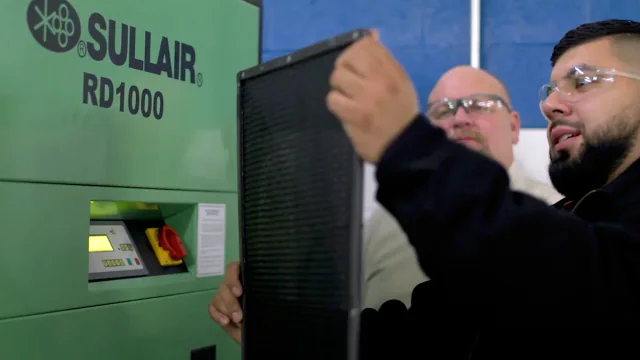
Aftercoolers and oil coolers accumulate dust, lint, and debris over a winter of operation. Restricted cooling fins cause the compressor to run hotter than designed, which degrades oil, stresses seals, and can trigger high-temperature shutdowns on the hottest summer days. Blow out all cooler fins with clean, dry compressed air - working from the clean side of the fins to push debris outward. For facilities with heavy airborne contamination (textile, wood, paper dust), clean coolers quarterly.
3. Check All Belts and Couplings
V-belts stretch, crack, and glaze during winter operation - particularly in unheated compressor rooms where temperature cycling stresses the rubber compound. Inspect all drive belts for cracking, fraying, glazing, and correct tension. Replace belts showing wear rather than waiting for failure; a snapped belt during peak production in July is a preventable downtime event. Check flexible couplings for wear, misalignment, and element degradation.
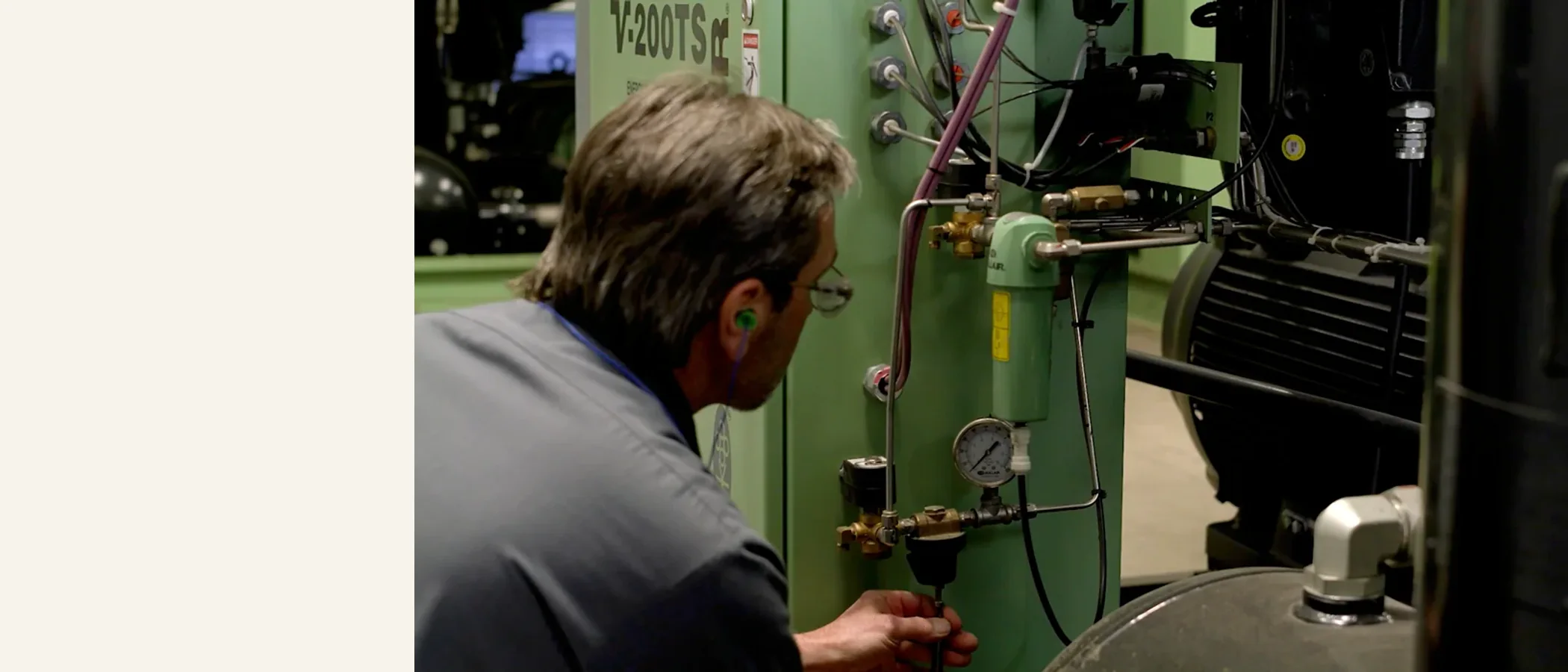
4. Test and Clean All Condensate Drains
Automatic condensate drains are the most failure-prone components in a compressed air system - and failed drains are one of the most common causes of moisture contamination downstream. Condensate volume increases significantly in summer as higher ambient humidity increases the moisture load on your system. Test every automatic drain by manually triggering it. Clean or replace any drain that does not cycle freely. Check float-operated drains for debris accumulation that prevents proper seating.
5. Inspect and Replace Air Inlet Filters
The compressor inlet filter protects the airend from airborne particulates. A clogged or damaged inlet filter increases pressure drop, reduces compressor output, and can allow contaminants to enter the compression chamber. Replace inlet filter elements on the manufacturer's schedule - typically every 2,000 to 4,000 hours or annually. In dusty environments (grain facilities, foundries, woodworking shops), inspect monthly and replace more frequently.
6. Check Compressor Oil Level and Condition
Top off compressor oil if low, and assess oil condition. Dark, milky, or foamy oil indicates contamination - either water from condensation or airend wear generating particulates. A spring oil change is appropriate if the oil is off-color, if the compressor has been in service for more than 4,000 to 6,000 hours since the last change (for synthetic oil), or if the oil analysis shows degraded additive levels. Use only the oil grade specified by the compressor manufacturer - mixing oil types or using incorrect grades causes rapid degradation.
7. Verify System Pressure Settings
Winter production changes - slower schedules, different product mixes, equipment additions or removals - sometimes result in pressure settings drifting from their optimal values. Check that compressor cut-in and cut-out pressure settings are appropriate for your current demand profile. If your system has been running at higher pressure than necessary, reducing pressure by 10 PSI saves approximately 5% in annual energy cost. Spring is a good time to recalibrate with your actual current requirements.
8. Run a Compressed Air Leak Survey
Winter is hard on compressed air system fittings, hose connections, and valve seals. Thermal cycling - the repeated heating and cooling from cold startups and warm operation - loosens threaded fittings and fatigues flexible connections. Use an ultrasonic leak detector to survey the entire system and identify new leaks that developed over winter. Document each leak's location and estimated leak rate. Even a modest leak survey that identifies 10 to 15 leak points typically finds $3,000-$8,000 per year in wasted energy.
9. Service the Air Dryer
For refrigerated dryers: verify the refrigerant charge is adequate (compressor running time and discharge temperature are indicators), clean the condenser coils, and test the automatic drain. For desiccant dryers: check desiccant condition, verify purge valve operation, and inspect switching valves for proper function. Summer brings dramatically higher moisture loads - ambient humidity in July in the Midwest is significantly higher than February. Your dryer needs to be at full effectiveness before that load arrives.
10. Inspect Downstream Piping and Storage Tanks
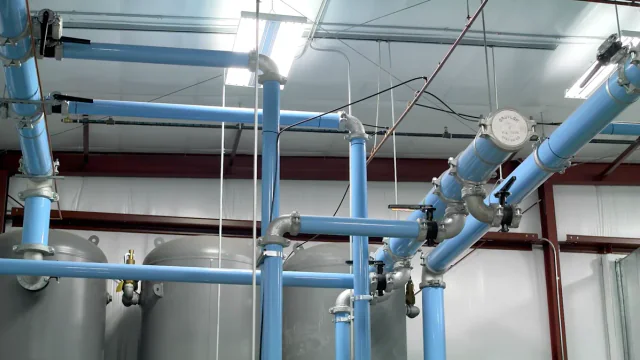
Inspect compressed air distribution piping for corrosion, loose hangers, and any modifications made over the winter that may have created dead legs or flow restrictions. Drain and inspect receiver tanks for internal corrosion and condensate accumulation. Open tank drains and drain completely - significant condensate accumulation over winter is common, and that moisture will be pushed downstream when warm weather increases operating temperatures. If tanks show significant internal rust, schedule an inspection and consider treatment or replacement.
When to Call Brabazon for Spring Service
Many of these tasks can be completed by your in-house maintenance team. However, for facilities without dedicated compressed air maintenance resources, or those with complex multi-compressor systems, Brabazon's factory-certified service team is available for spring preventive maintenance visits throughout our Midwest service territory. We follow manufacturer-specified PM procedures for Sullair equipment and can service all major compressor brands. Scheduling spring PM in advance - before the summer rush - ensures availability and avoids the longer lead times typical of peak summer service season.
Related Resources
- Preventive Maintenance Service Agreements - let Brabazon handle your seasonal and annual PM schedule
- Compressed Air Leak Detection - spring is a great time for an annual leak survey
- Why Air Compressors Overheat in Summer - what to check before hot weather arrives
Schedule Spring Maintenance