Most compressed air problems are invisible. Pressure drops in piping look like "normal" system behavior. Leaks are masked by compressor noise. Demand spikes happen on the night shift when no one is watching. A compressed air audit makes the invisible visible - using data logging, measurement, and system analysis to produce an accurate picture of how your compressed air system actually performs and where it is losing energy and money. This post explains what a compressed air audit involves, what it typically finds, and how to evaluate whether it makes sense for your facility.
In this article
What Happens During a Compressed Air Audit
A thorough compressed air audit typically involves three phases: data collection, analysis, and recommendations. Here is what each phase involves.
Data Collection. Auditors install data loggers on your compressed air system - typically for one to two weeks - to capture real operating data across all production conditions. Measured parameters include compressor power consumption (kW), system pressure at multiple points, flow rate (CFM), temperature, and compressor duty cycle. The logging period should capture your peak production days, off-shift periods, and weekend conditions to give a complete picture of demand variation.
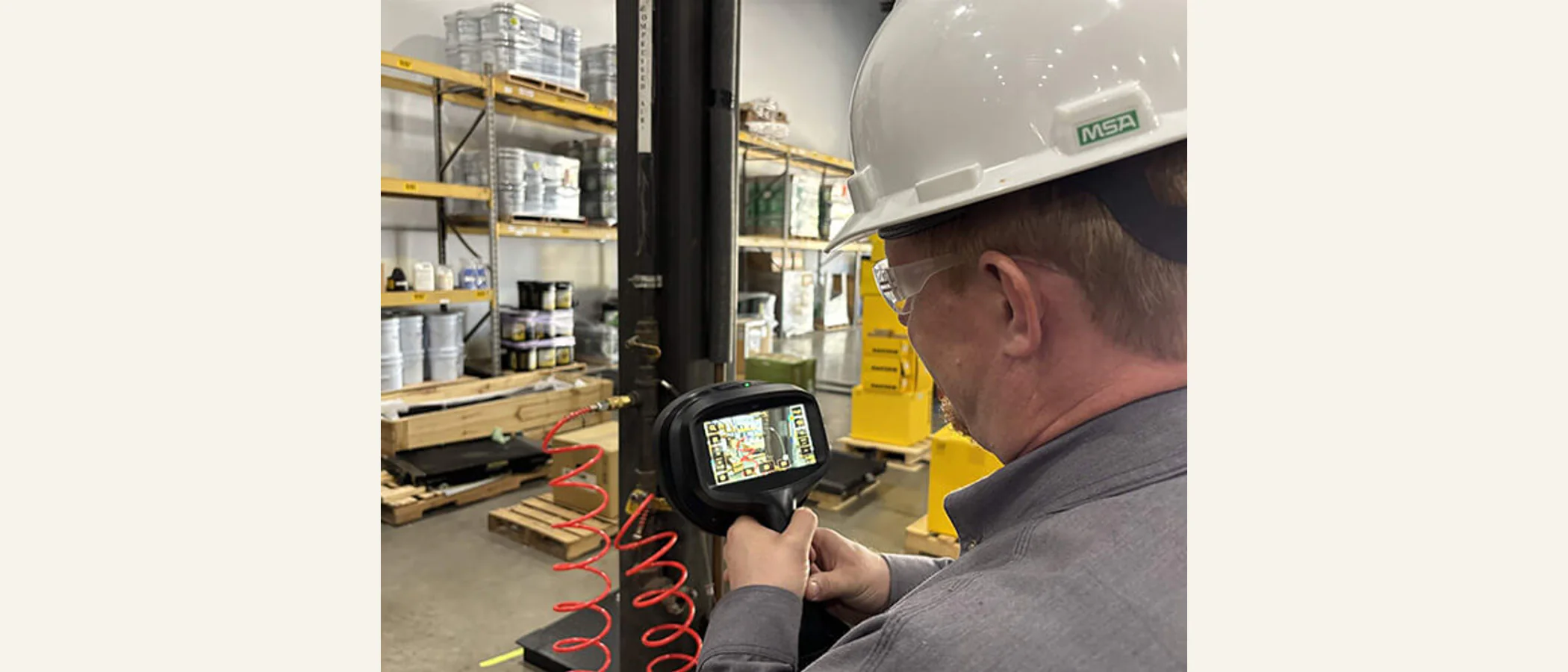
Simultaneously, auditors perform an ultrasonic leak survey - walking the facility with an ultrasonic detector to identify and document every compressed air leak, noting its location, estimated leak rate, and estimated annual energy cost.
Analysis. The logged data is analyzed to determine actual versus nameplate compressor capacity, system pressure losses (the difference between compressor output pressure and point-of-use pressure), demand variation across shifts and days, estimated leak volume as a percentage of total output, and specific energy consumption (kW per CFM delivered) compared to industry benchmarks.
Recommendations. The audit report documents findings and provides a prioritized list of improvement opportunities with estimated implementation costs and energy savings for each. Good audit reports include payback period calculations so you can evaluate each recommendation as an investment decision.
What Compressed Air Audits Typically Find
After conducting audits across hundreds of Midwest manufacturing facilities, Brabazon's team has found a consistent set of issues that appear repeatedly:
Leaks:
In most facilities, 20 to 35% of compressed air output is lost to leaks. The average leak survey identifies 20 to 60+ individual leak points. Annual energy cost of total leakage commonly runs $5,000-$50,000 depending on facility size and electricity rate.Excessive system pressure:
Many facilities run at higher pressure than their highest-demand application actually requires, typically because of pressure drop through poorly designed or undersized piping. Correcting the root cause and lowering system pressure by 10 PSI saves approximately 5% in compressor energy - every year, indefinitely.Compressor over-capacity:
Facilities often find their installed compressor capacity significantly exceeds actual peak demand, sometimes by 50 to 100%. This happens because compressors were sized for theoretical future growth that never materialized, or because compressors were added over time without decommissioning older units.Inefficient compressor controls:
Multiple compressor installations without proper sequencing controls result in compressors fighting each other - one running loaded while another runs unloaded - wasting energy continuously.
How Much Does a Compressed Air Audit Cost?
Audit costs vary widely based on facility size, number of compressors, and scope of services. A basic energy survey with data logging for a small to mid-size facility typically runs $1,500-$5,000. A comprehensive audit covering a large facility with multiple compressors, complex piping systems, and extensive point-of-use analysis can run $5,000-$15,000 or more.
Some utility companies - including ComEd in Illinois, We Energies in Wisconsin, and Xcel Energy in Minnesota - offer compressed air audit incentives or rebates that offset part of the cost. Brabazon can help you identify applicable incentive programs before scheduling your audit.
Is the Cost Worth It?
The straightforward way to evaluate audit ROI: if your facility spends more than $30,000-$40,000 per year on electricity and compressed air is a significant portion of your energy use, a compressed air audit almost always identifies enough savings to pay for itself within six to twelve months.
A real example of the math: a 50,000 square foot manufacturing facility spending $120,000 per year on electricity, with compressed air representing 30% of that cost ($36,000/year). An audit identifies 25% efficiency improvement opportunity through leak repair, pressure reduction, and VSD upgrade. That is $9,000 per year in ongoing savings. An audit costing $4,000 pays back in five to six months. The improvement projects themselves (leak repair, VSD upgrade) pay back in two to four years, then deliver savings for 15+ years.
What to Look for in an Audit Provider
Not all compressed air audits are equal. The quality of the analysis depends on the experience of the auditors, the quality of the data logging equipment, and the depth of the recommendations. Look for providers who:
- Use calibrated data logging equipment, not just a one-time spot measurement
- Log data across a full week or more, including multiple shifts
- Provide specific payback calculations for each recommendation
- Have no financial incentive to recommend specific equipment brands
- Have factory-certified technicians who understand compressor system design
Brabazon's audit team uses data logging equipment across all compressor types and piping configurations. Our technicians are factory-certified on Sullair equipment and have experience with the full range of rotary screw, reciprocating, and centrifugal compressor systems common across Midwest manufacturing. We provide audit findings in a written report with itemized savings calculations that you can use to build a capital investment case internally.
Related Resources
- Schedule a Compressed Air Audit - Brabazon's professional audit service with energy savings report
- Energy Efficiency Audits - in-depth energy audit services including utility rebate qualification
- How to Reduce Your Compressed Air Energy Costs - what to do with your audit findings
Schedule Your Compressed Air Audit